The Giant Brachiosaurus: A Tall, Leaf-Eating Dinosaur
June 19, 2026
Brachiosaurus altithorax was a very big plant-eating dinosaur that lived a long time ago, during the Late Jurassic period. That was about 154 to 153 million years ago. Many Brachiosaurus fossils were found in North America, especially in the Morrison Formation in the United States.
How big was it?
It could grow up to about 80–85 feet long (24–26 meters) and stand about 40–50 feet tall at the shoulders (12–15 meters). It weighed a lot—between 50 and 80 tons—so it was one of the biggest land animals ever.
What made it special?
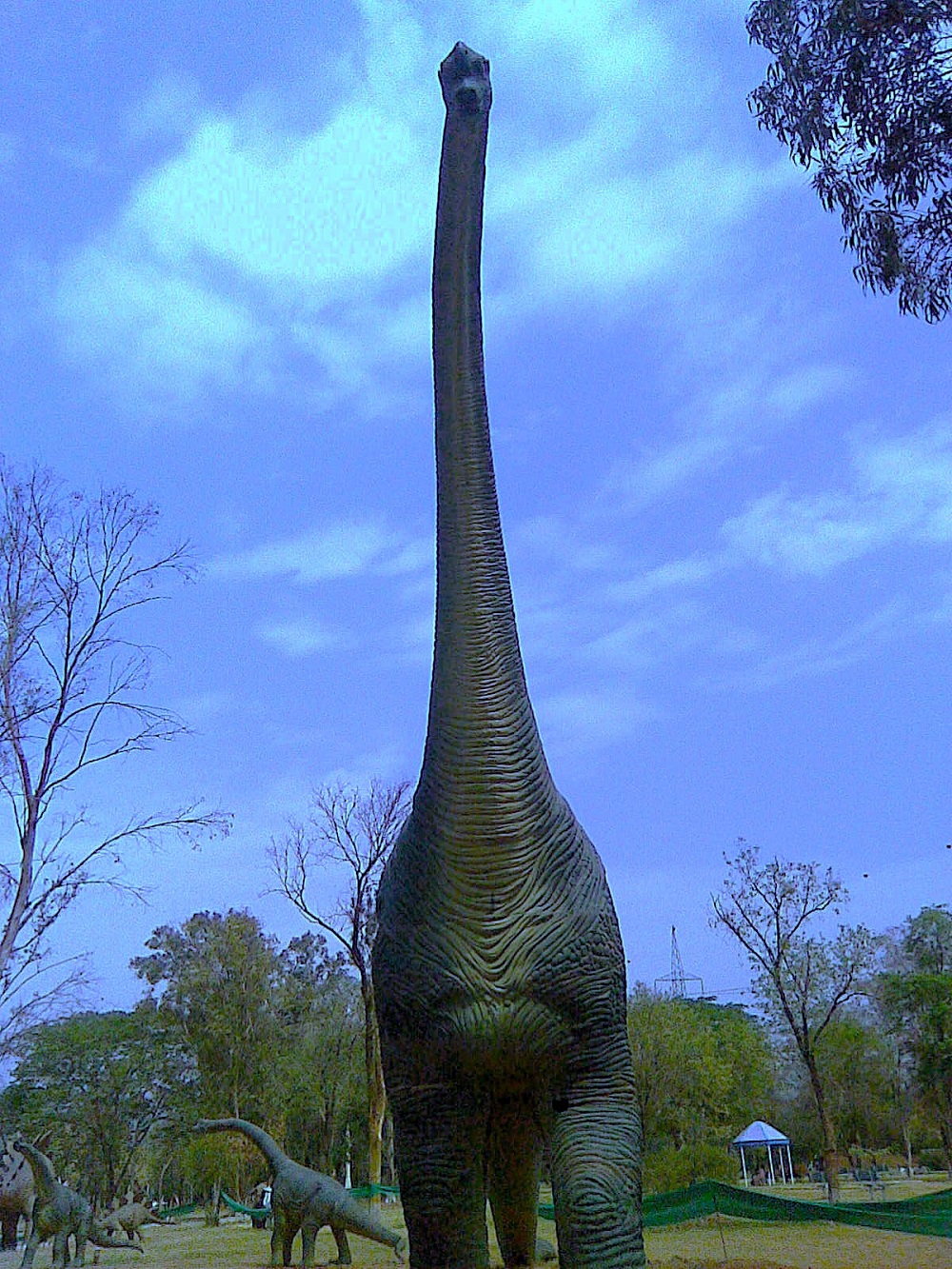
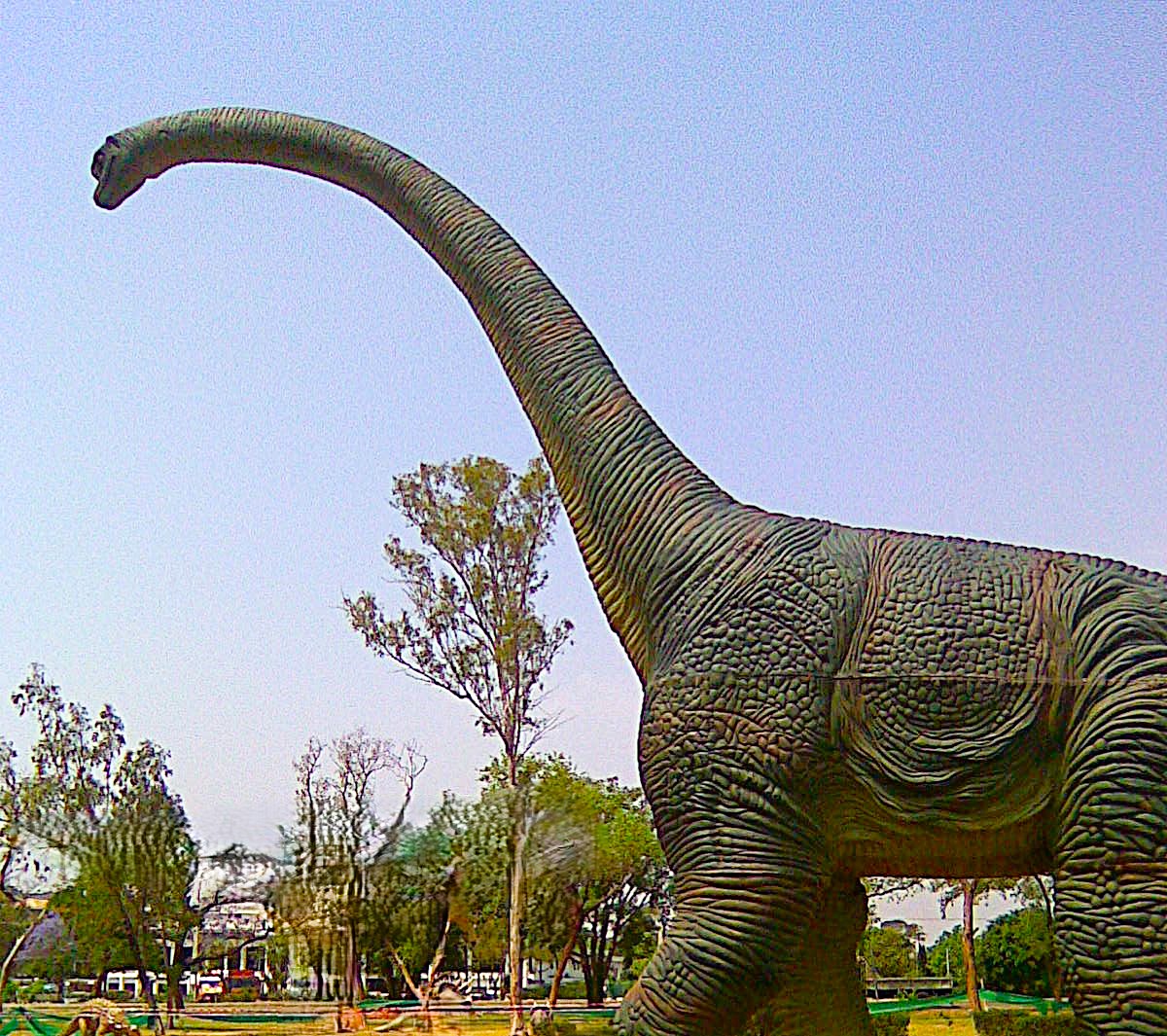
Brachiosaurus had a very long neck with 12–13 bones (vertebrae). This long neck helped it eat leaves from tall plants and trees, from heights of up to 30–40 feet. .
Another cool thing:
Its front legs were longer than its back legs, so its back curved a bit, and it walked with a sloped body. Its head had its nostrils up high on top, which helped it breathe while reaching high into trees.
Who found it?
A paleontologist named Elmer S. Riggs found the first Brachiosaurus fossil in 1900, in Colorado.
Why is it famous?
Brachiosaurus is famous for its huge size and funny-looking, tall-necked body. Scientists learn a lot from its bones about how dinosaurs stood and moved. Because it could reach high leaves, it helped its ecosystem in important ways, and new discoveries about it keep teaching us more.