
🩺 What is Blood Pressure?
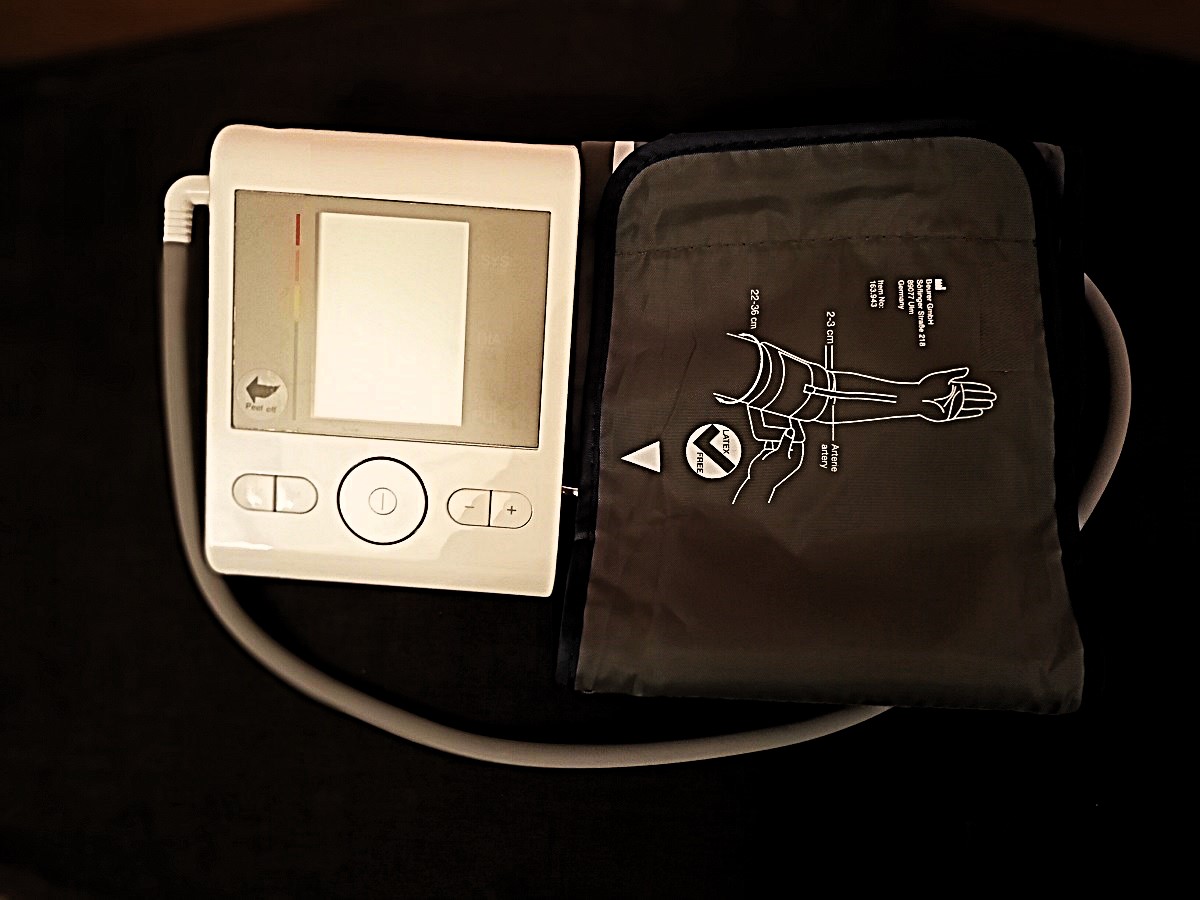
Blood pressure is the force exerted by circulating blood against the walls of the arteries as the heart pumps it throughout the body. It serves as a vital indicator of how effectively the heart and blood vessels are functioning.
Blood pressure is measured using two key values:
- Systolic pressure: the pressure in the arteries when the heart contracts and pumps blood.
- Diastolic pressure: the pressure in the arteries when the heart is at rest between beats.
A normal blood pressure reading typically ranges from 90/60 mm Hg to 120/80 mm Hg, although individual values may vary based on physical activity, stress levels, and overall health.
High Blood Pressure (Hypertension)
Hypertension occurs when blood pressure remains consistently above normal levels. Often, it develops without clear symptoms but can gradually lead to damage of the heart, kidneys, and other organs if left unmanaged.
If blood pressure readings frequently exceed 140/90 mm Hg, it is advisable to seek medical advice. Extremely high readings may require immediate attention to prevent serious complications.
Low Blood Pressure (Hypotension)
Low blood pressure is generally defined as readings below 90/60 mm Hg. While some individuals naturally have lower readings without issues, significantly low blood pressure can cause symptoms such as dizziness, fatigue, or fainting.
Understanding the underlying cause—such as dehydration, medication side effects, or other health conditions—is important for appropriate management.
📊 Blood Pressure Categories
| Category | Systolic (mm Hg) | Diastolic (mm Hg) |
|---|---|---|
| Normal | Below 120 | Below 80 |
| Elevated | 120–129 | Below 80 |
| Hypertension Stage 1 | 130–139 | 80–89 |
| Hypertension Stage 2 | 140 or higher | 90 or higher |
| Hypertensive Crisis | Above 180 | Above 120 |
Common Causes of High Blood Pressure
- Genetic predisposition or family history
- Limited physical activity
- Diets high in salt, sugar, or unhealthy fats
- Long-term stress
- Excess body weight
- Increasing age
- Medical conditions such as kidney disease, diabetes, or sleep disorders
Common Causes of Low Blood Pressure
- Inadequate fluid intake (dehydration)
- Significant blood loss
- Heart-related conditions
- Certain medications (e.g., diuretics)
- Conditions like anemia or hormonal imbalances
Ways to Maintain Healthy Blood Pressure
Keeping blood pressure within a healthy range can involve lifestyle changes and medical care:
- Eat a balanced diet rich in fruits, vegetables, whole grains, and lean proteins
- Stay physically active with regular exercises such as walking, cycling, or swimming
- Maintain a healthy weight to reduce strain on the heart
- Manage stress through relaxation techniques like meditation or deep breathing
- Get enough sleep, ideally 7–8 hours per night
- Limit alcohol intake and avoid smoking
- Monitor health conditions with professional guidance
- Follow prescribed treatments if medication is necessary
Helpful Lifestyle Practices
- Reduce daily sodium intake to recommended levels
- Eat potassium-rich foods like bananas, spinach, and sweet potatoes
- Drink plenty of water throughout the day
- Practice relaxation techniques regularly to support overall well-being