
May 01, 2026
A Flower That Brings Happiness
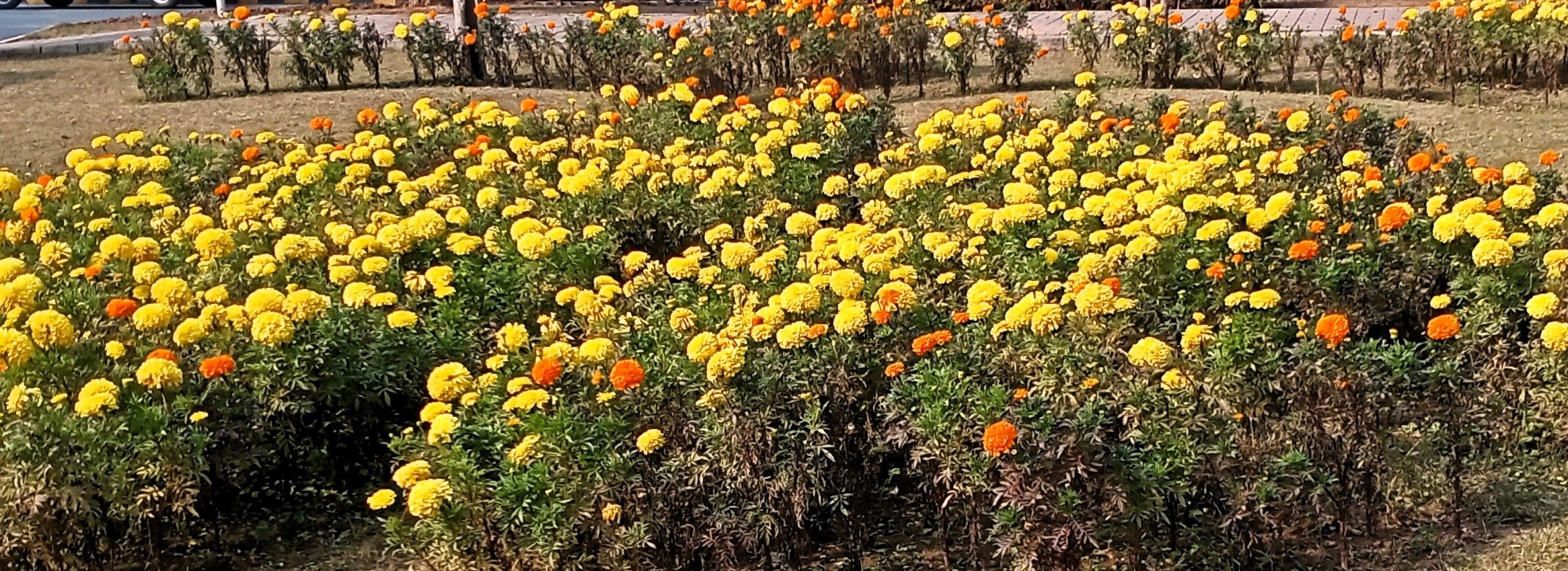
The marigold is one of the most beautiful and widely grown flowers in the world. Its bright yellow, orange, golden, and reddish blooms make gardens, parks, and homes look cheerful and lively. Because of its vibrant colors and long flowering season, the marigold is a favorite among gardeners and flower lovers. Beyond its beauty, this remarkable flower has cultural, medicinal, and agricultural importance. It is used in festivals, religious ceremonies, home decoration, natural medicine, and even farming. The marigold truly represents beauty, positivity, and usefulness.
They are easy to grow
Marigolds are notably easy to grow, making them particularly suitable for novice gardeners. They are resilient plants that require minimal maintenance and thrive in full sunlight. When planted in a sunny location and watered moderately, they tend to grow rapidly and produce flowers early in the growing season.
Natural Pest Control
Marigolds can contribute to natural pest management. They emit a distinct odor that may repel certain insects, thereby helping to protect nearby plants, especially vegetables such as tomatoes. For this reason, they are often regarded as a form of natural pest control. Although marigolds may have some effect on mosquitoes that carry diseases such as dengue, planting them alone is insufficient for effective protection; additional measures, such as using plant extracts or oils, may be more reliable.
How to Grow Marigold Flowers:
Step 1: Choose the Right Variety:Before planting, select a marigold variety that is well suited to your garden and local growing conditions. Choosing the right variety ensures healthy growth and an attractive floral display. The best planting season for marigolds depends on your climate and region.
Step 2: Select the Best Planting Location:Marigolds love sunshine. Choose a location that receives at least 6–8 hours of direct sunlight every day. The more sunlight the plants receive, the more flowers they will produce. Avoid planting marigolds in heavily shaded areas because insufficient sunlight leads to fewer blooms and weaker plants.
Step 3: Prepare the Soil:Healthy soil is the foundation of healthy plants. Marigolds grow best in well-drained, fertile soil with plenty of organic matter. Mix compost or well-rotted manure into the soil before planting to improve its fertility and drainage. The soil should be loose enough to allow roots to grow easily while preventing excess water from collecting around them.
Step 4: Plant the Seeds or Seedlings:Marigolds can be grown from seeds or nursery seedlings. Sow seeds about ½ inch (1–1.5 cm) deep in the soil and keep them moist until they germinate, usually within one week. If transplanting seedlings, space them according to the variety—approximately 20–45 cm apart—to provide enough room for healthy growth and proper air circulation.
Step 5: Water Properl:Water newly planted marigolds regularly until they become established. Once mature, water them only when the top layer of soil feels dry. Always water at the base of the plant rather than on the leaves to reduce the risk of fungal diseases. Overwatering should be avoided because marigolds prefer slightly dry conditions over constantly wet soil.
Step 6: Feed the Plants:Marigolds do not require heavy fertilization. Applying compost before planting usually provides enough nutrients. If additional feeding is needed, use a balanced flower fertilizer once every four to six weeks. Too much nitrogen encourages leafy growth but reduces the number of flowers, so moderate feeding is best.
Step 7: Remove Faded Flowers:Regularly remove wilted or dried flowers, a process known as deadheading. This encourages the plant to produce new buds instead of using energy to form seeds. Deadheading keeps marigold plants looking neat and ensures continuous blooming throughout the growing season.
Step 8: Protect Against Pests and Diseases:Altgh marigolds naturally repel many garden pests, they can occasionally be affected by aphids, spider mites, or fungal diseases. Inspect plants regularly for signs of damage. Remove affected leaves and avoid overwatering. Good air circulation and proper spacing between plants help prevent most common diseases.
Step 9: Companion Planting:Marigolds are excellent companion plants for vegetables and herbs. Gardeners often grow them alongside tomatoes, peppers, cucumbers, beans, and cabbage because their roots help reduce harmful soil pests such as nematodes. Their bright flowers also attract bees, butterflies, and other beneficial insects that improve pollination.
Step 10: Harvesting Seeds for the Next Season:At the end of the flowering season, allow a few blooms to dry naturally on the plant. Once completely dry, collect the seeds and store them in a cool, dry place inside a paper envelope. These seeds can be planted the following season, making marigolds an economical and sustainable choice for home gardeners.
Benefits of Growing Marigolds
Growing marigolds offers many advantages beyond their colorful appearance. They brighten gardens, attract pollinators, naturally repel harmful insects, and require very little maintenance. Marigolds are also widely used in festivals, floral decorations, herbal products, and landscaping projects. Their long flowering period and adaptability make them one of the most popular flowers for gardens around the world.
-
Tips for Healthy Marigold Plants
- Plant marigolds in a sunny location.
- Use well-drained, fertile soil.
- Water moderately and avoid waterlogging.
- Remove faded flowers regularly.
- Leave enough space between plants for airflow.
- Apply compost or a balanced fertilizer in moderation.
- Inspect plants regularly for pests and diseases.
- Collect seeds at the end of the season for future planting.
Growing marigolds is simple, enjoyable, and rewarding. With plenty of sunshine, healthy soil, proper watering, and regular care, these cheerful flowers will bloom abundantly for months. Whether planted in a home garden, flower bed, balcony, or vegetable patch, marigolds add vibrant color while helping create a healthier garden ecosystem. Their beauty, resilience, and practical benefits make them one of the best flowers for gardeners of all skill levels.
Additional Reading:
- The Compton Creek Mosquito Abatement District:These plants will help you keep the mosquitoes away
- The Seed Collection :How to Grow Marigold Seeds
- SciencePG: The Effectiveness of Marigold Leaves and Flowers as Mosquito Repellent