
Purple Heart Plant: A Vibrant and Easy-Care Plant for Your Garden
May 01, 2026
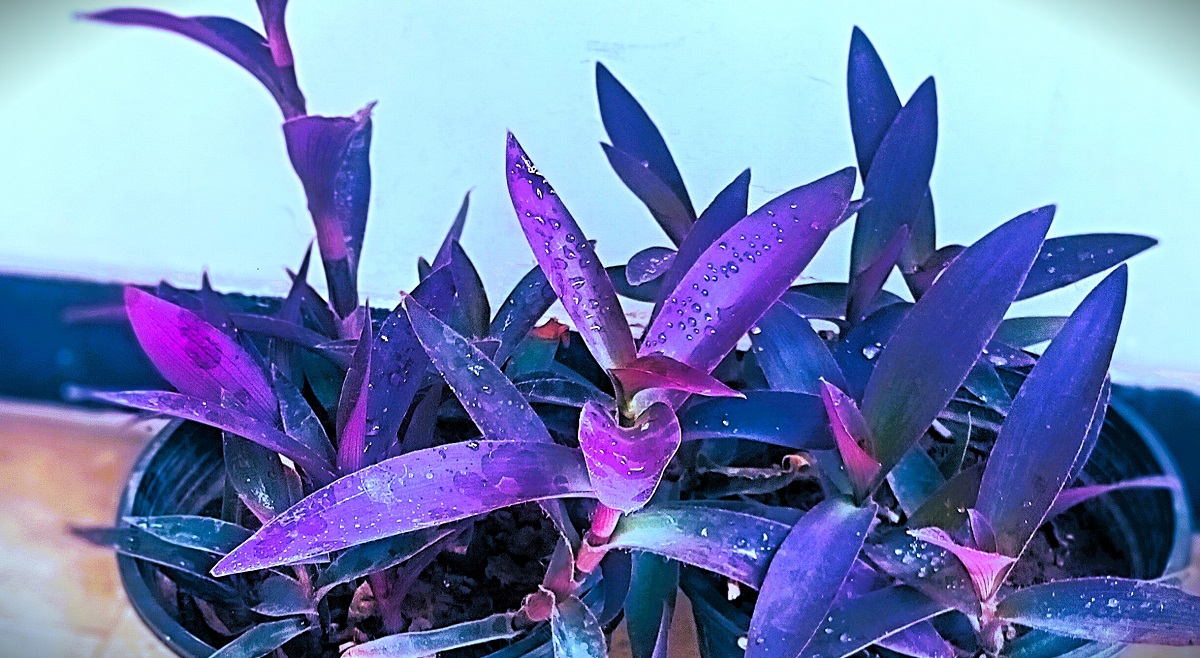
The Purple Heart plant, scientifically known as Tradescantia pallida, is a striking perennial renowned for its vibrant purple foliage and exceptional resilience. Originally native to Mexico and the Caribbean, this low-maintenance ornamental species has become a staple for outdoor gardens, hanging baskets, and indoor plant collections worldwide. Featuring deep violet leaves and delicate three-petaled pink blooms, it offers year-round visual interest. Whether you are a novice gardener or a seasoned horticulturist, mastering Purple Heart plant care is remarkably straightforward due to the species' drought tolerance and adaptability.
The Science Behind the Purple Foliage: What Makes It Special?
The Tradescantia pallida is prized for more than just its aesthetics. It possesses unique evolutionary traits that allow it to thrive in harsh environments:
- Natural Solar Protection: Unlike typical green plants that rely solely on chlorophyll, the Purple Heart contains high concentrations of anthocyanins. This is the same antioxidant pigment found in blueberries. In intense sunlight, this pigment acts as a natural sunscreen, intensifying to protect the cells from UV damage.
- Moisture-Retaining Leaf Trichomes: A close inspection reveals that the stems and leaves are covered in tiny, soft hairs (trichomes). These hairs trap a micro-layer of air around the plant, significantly reducing transpiration and shielding it from small pests.
- Light-Responsive Pigmentation: The plant dynamically adjusts its color based on light exposure. Under bright, direct sunlight, the foliage deepens into a rich, iridescent purple. In contrast, low-light environments cause the plant to revert to a muted olive-green.
- Seasonal Blooming: Under optimal conditions, the plant produces delicate pink or pale purple flowers during the warm summer months. These blossoms emerge from the leaf axils, providing a stark, beautiful contrast to the dark foliage.
Comprehensive Purple Heart Plant Care Instructions
To successfully grow a Purple Heart plant, you must replicate its native subtropical conditions.
Sunlight Requirements
Light is the most critical factor for maintaining vibrant color. The plant requires a minimum of 6 hours of direct sunlight daily. Indoors, position your indoor Purple Heart plant on a south- or west-facing windowsill to prevent the foliage from fading.
Soil and Drainage
Tradescantia pallida demands a highly porous, well-draining soil medium to protect against root pathogens. A premium peat-based potting mix amended with perlite, coarse sand, or organic compost is ideal. Avoid heavy clay soils that retain stagnant water.
Watering Schedules
While drought-resistant once established, regular irrigation promotes lush growth. Utilize the "soak and dry" method: water thoroughly, then allow the top two inches of soil to dry completely before watering again. Drastically reduce watering intervals during winter dormancy. Overwatering remains the primary cause of plant decline.
Temperature and Humidity
This tropical perennial thrives in temperatures ranging between 60°F and 85°F (16°C to 29°C). It is highly frost-sensitive. In temperate climates, grow it in containers so it can be moved indoors before the first autumn frost. Average residential humidity is perfectly sufficient.
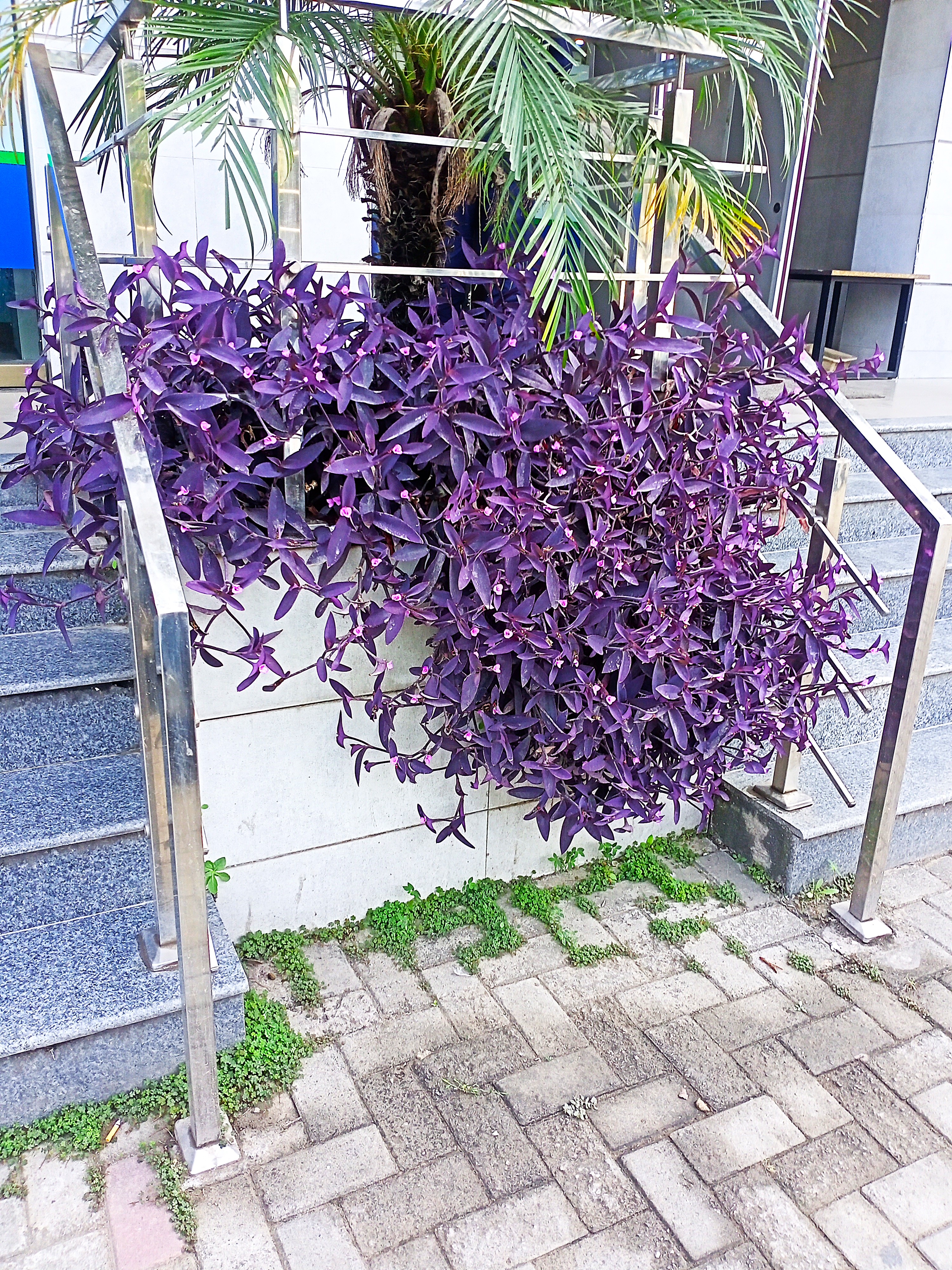
A vibrant view of the Purple Heart plant’s trailing branches. 🌱💜
How to Propagate a Purple Heart Plant
Learning how to propagate a Purple Heart plant is incredibly simple, making it excellent for expanding your garden or sharing cuttings.
- Select a Cutting: Cut a healthy, vigorous stem segment roughly 4 to 6 inches long, ensuring it contains several leaf nodes.
- Prepare the Stem: Strip away the lower leaves to expose the nodes where new roots will emerge.
- Rooting Medium: Submerge the exposed nodes in a vessel of clean water, or insert them directly into moist, sterile potting soil.
- Incubation: Place the cutting in a warm spot with bright, indirect light.
Roots typically manifest within 7 to 14 days. Once a robust root system develops, transplant the cutting into its permanent container or garden bed.
Troubleshooting Common Problems
| Symptoms | Root Cause | Actionable Solution |
|---|---|---|
| Yellowing Leaves | Overwatering, poor drainage, or severe light deprivation. | Reduce watering frequency and verify the pot's drainage holes are clear. |
| Leggy, Stretched Stems | Phototropism due to inadequate light levels. | Relocate the plant to a brighter area and prune leggy stems to stimulate bushy growth. |
| Mushy Stems / Root Rot | Prolonged soil saturation. | Immediately cease watering, trim away decayed roots, and repot in fresh, dry soil. |
Essential Maintenance Practices
- Fertilization: Apply a balanced, water-soluble liquid fertilizer diluted to half-strength once a month during the spring and summer active growing phases. Avoid over-fertilizing, as excess nitrogen diminishes the purple coloration.
- Pruning: Regularly pinch back growing tips to encourage lateral branching and a more compact growth habit. Discard any dead or damaged foliage immediately.
- Repotting: Repot your plant every 2 to 3 years, or when it becomes visibly root-bound. Always upgrade to a pot that is 2 inches larger in diameter and features ample drainage holes.
Summary
The Purple Heart plant (Tradescantia pallida) is a robust, visually arresting choice that elevates the aesthetic of any landscape or interior design. By providing abundant sunlight and avoiding overwatering, you can enjoy its deep purple hues and delicate blossoms for years to come.
References
- University of Wisconsin-Madison: Purple Heart (Tradescantia pallida)
- Masterclass: How to Grow a Purple Heart Plant
- University of Arkansas System Division of Agriculture: Plant of the Week: Tradescantia pallida
- Horticulture Unlimited: Purple Heart Plant Guide