
Faisalabad Clock Tower: Ghanta Ghar History, Heritage & Landmark
Aug 28, 2026
- Originally known as the Lyallpur Clock Tower
- Foundation laid on November 14, 1905
- Often linked with Ghanta Ghar (local name)
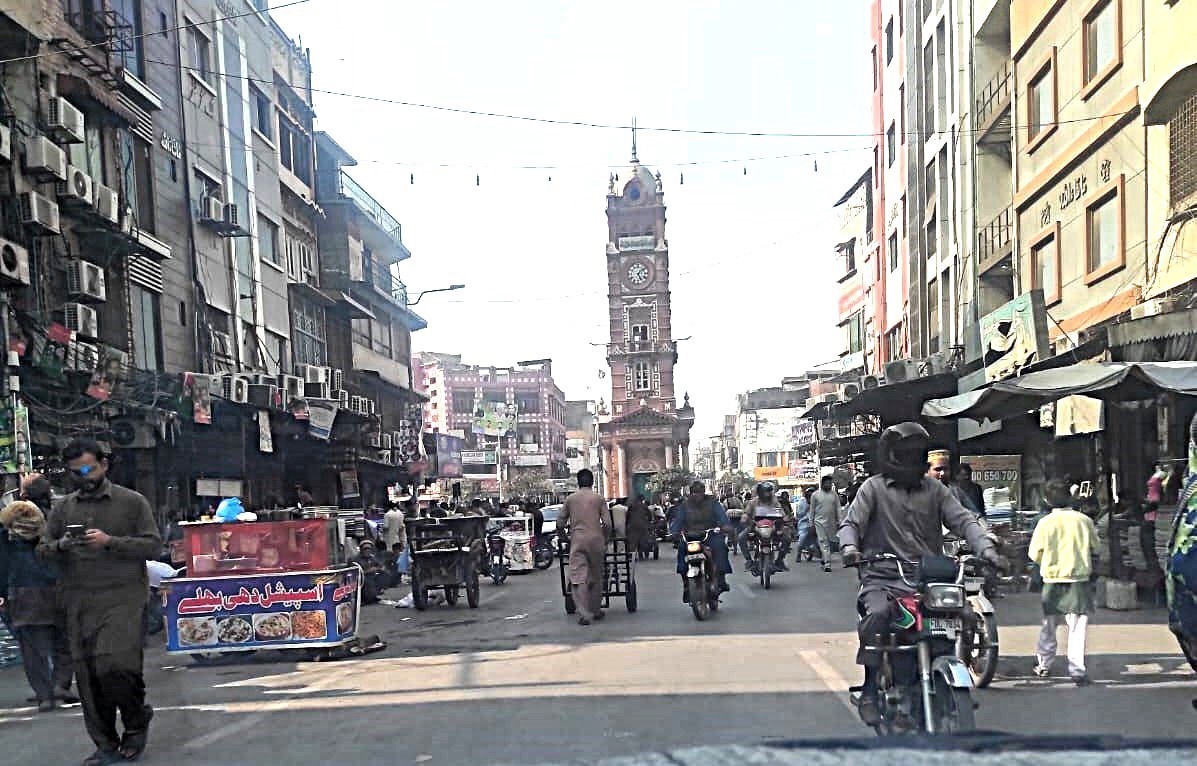
- Central landmark connected to bazaars across the city
Overview: Why the Faisalabad Clock Tower Is a Must-See
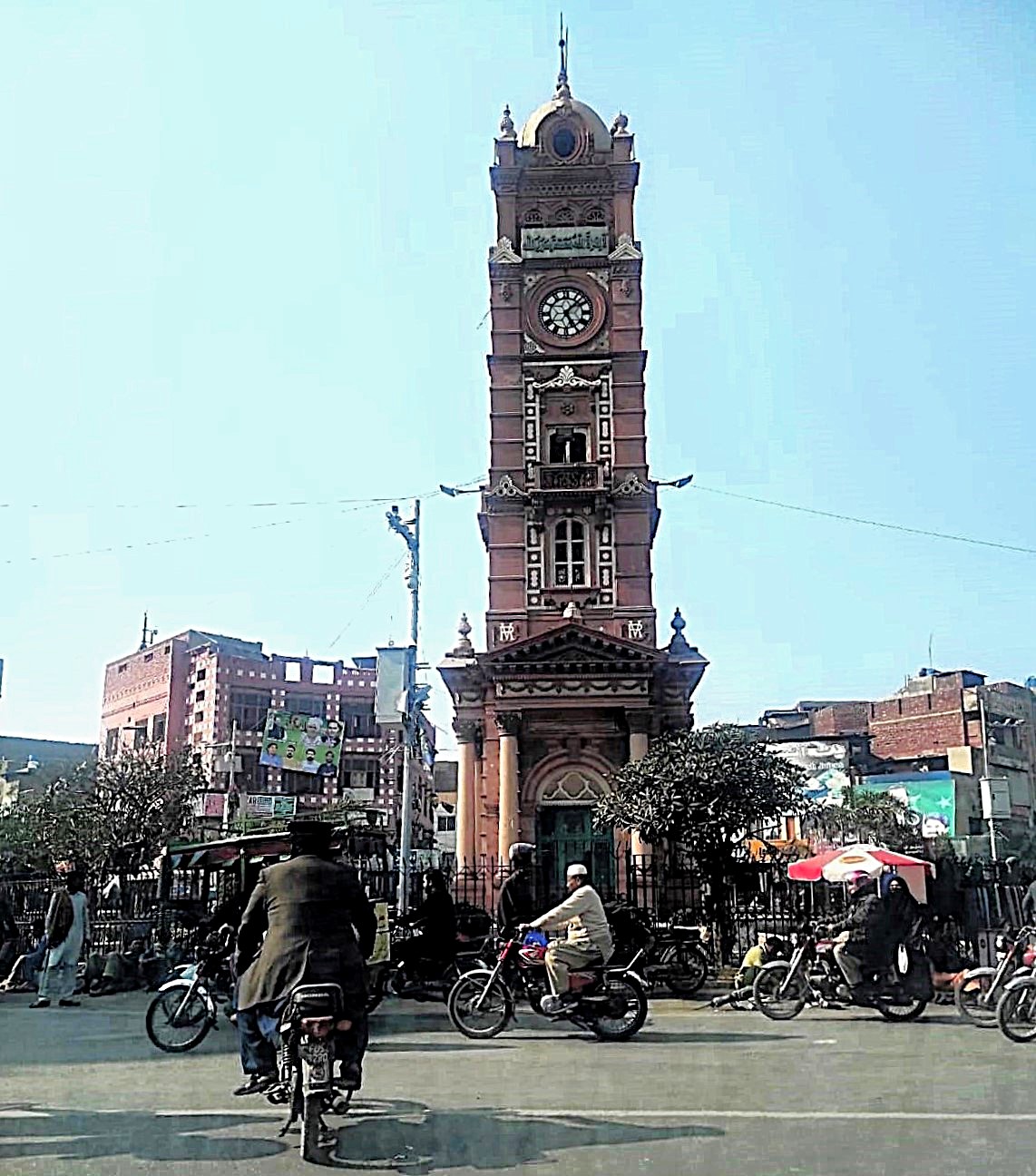
The Faisalabad Clock Tower is often described as the heart of the city - because it does more than show time. It reflects the past in its architecture, the energy of daily city life in its surroundings, and the continuing identity of Faisalabad today. Locals commonly refer to it as Ghanta Ghar, a name that captures its purpose and presence in everyday routines.
Faisalabad itself is widely known as a major industrial center in Pakistan and is sometimes called the “Manchester of Pakistan.” In that larger story of growth and modernization, the clock tower remains a recognizable landmark that connects generations.
From Lyallpur to Faisalabad: A City With a Narrative
Before it became known as Faisalabad, the city was called Lyallpur. The name honored Sir James Lyall, who served as the Deputy Commissioner during British rule. During this colonial period, the planning and development of the region also shaped how important landmarks were built and organized.
A major figure in Lyallpur’s development was the renowned architect Sir Ganga Ram. His vision focused on creating a productive agricultural market and a thriving urban settlement. Within that framework, the clock tower was established as a focal structure - symbolic in design and practical in daily function.
Later, the city was renamed Faisalabad in 1979 in honor of King Faisal of Saudi Arabia. This change reflected Pakistan’s international ties and highlighted the city’s growing national significance.
Clock Tower Background: A Landmark Built for Time and Community
The Faisalabad Clock Tower was laid as part of the city’s structured development. The foundation is widely associated with November 14, 1905, laid by the British Lieutenant Governor of Punjab, Sir Charles Montgomery Rivas.
Originally, the clock tower served as a central reference point for time - helping residents coordinate their daily routines, especially in a bustling urban environment where markets and work schedules mattered. Over time, that practical role evolved into cultural significance, turning Ghanta Ghar into a landmark people use to orient, meet, and remember.
Design & City Layout: The Tower at the Center of Bazaars
One of the most interesting aspects of the Faisalabad Clock Tower is its architectural style. It is often described as being reminiscent of the Union Jack - a design connection that reflects the colonial-era influence on urban planning and public structures during that time.
The clock tower is positioned at the center of eight major bazaars, which makes it more than a standalone monument. It acts like a visual anchor for the city’s commercial map. The bazaars commonly associated with this central layout include:
- Aminpur Bazar
- Chiniot Bazar
- Kachri Bazar
- Rail Bazar
- Karkhana Bazar
- Montgomery Bazar
- Jhang Bazar
- Bhavana Bazar
Because of its central positioning and prominent structure, the tower can be recognized from many parts of Faisalabad. That visibility reinforces its role as a city symbol - where architecture and urban life meet.
Why the Faisalabad Clock Tower Still Matters Today
Today, Faisalabad is known especially for its textile industry, contributing significantly to Pakistan’s economy. Yet even in an era of rapid industrial growth, the Faisalabad Clock Tower remains relevant because it represents continuity.
The tower continues to attract visitors - both locals and tourists - who come to experience its historic charm, understand its background, and photograph its distinctive presence in the city center. In many ways, Ghanta Ghar stands as a visual timeline: it reflects Lyallpur’s planning roots, Faisalabad’s transformation, and the ongoing story of a modern city.
Common Questions (FAQ)
What is the local name of the Faisalabad Clock Tower?
Ghanta Ghar is the commonly used local name.
Why was the clock tower built?
It was built to function as a central reference for time, and it later became a heritage landmark tied to Faisalabad’s city planning.
When was the foundation of the tower laid?
The foundation is associated with November 14, 1905.
Further Reading
- PTDC: The Manchester of Pakistan
- DISTRIC FAISALABAD,Govermnent of Punjab: Important Places