
The Giant Brachiosaurus: The Tall, Leaf-Eating Dinosaur That Ruled the Late Jurassic
Brachiosaurus altithorax was a towering plant-eater famous for its long neck, massive size, and ability to browse high leaves in ancient forests. If dinosaurs could look “built for treetops,” Brachiosaurus would be the poster creature.
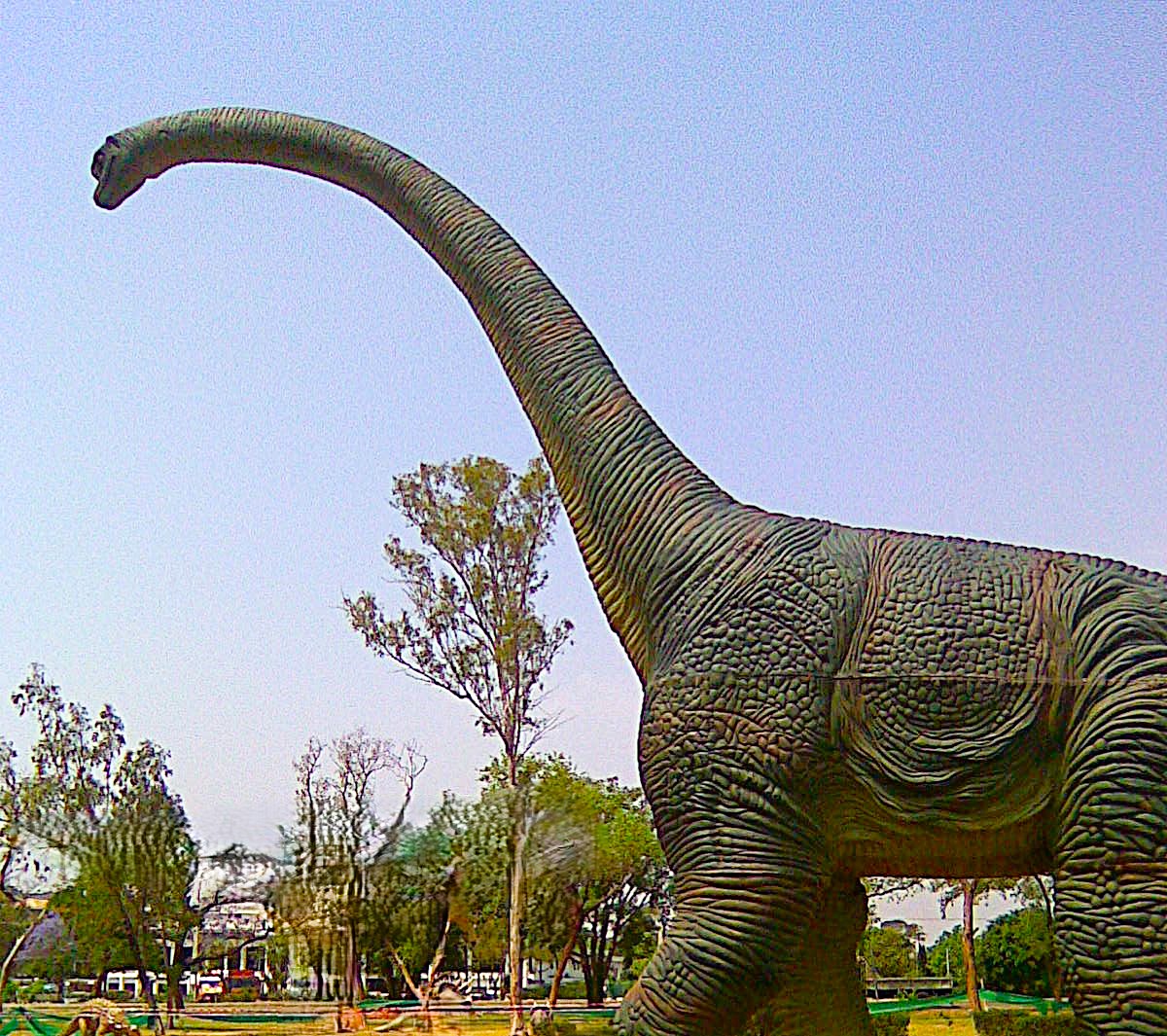
The Giant Brachiosaurus
Brachiosaurus lived during the Late Jurassic period, roughly 154 to 153 million years ago. Fossils have been found primarily in North America, with many discoveries connected to the well-known Morrison Formation in the United States.
What Was Brachiosaurus?
Brachiosaurus altithorax was a large herbivorous dinosaur, meaning it ate plants rather than meat. It belonged to the sauropods—one of the most iconic dinosaur groups. Sauropods are known for their long necks, heavy bodies, and the sheer scale of their skeletons.
What makes Brachiosaurus especially memorable is how perfectly its body fits its feeding lifestyle. Instead of living as a low-level grazer only, it could reach into taller vegetation. That ability would have helped it compete for food in a world where many herbivores shared the same habitats.
How Big Was the Giant Brachiosaurus?
Brachiosaurus was enormous even by dinosaur standards. Paleontologists estimate that it could reach about 80–85 feet long (approximately 24–26 meters). It may have stood around 40–50 feet tall at the shoulders (about 12–15 meters), which is remarkable when you imagine a living animal stretching upward like a living tower.
Its estimated weight is often placed around 50 to 80 tons. That heavy mass would require strong legs, a stable posture, and a body plan designed for carrying immense weight for long periods. In other words, Brachiosaurus wasn’t just tall—it was built to be steady and durable.
Why Did It Have Such a Long Neck?
The most distinctive feature of Brachiosaurus was its long neck. Estimates suggest it had roughly 12–13 vertebrae (neck bones), forming a long spine that supported the head high above the body. This feature helped it browse leaves from tall plants and trees.
Many reconstructions imagine Brachiosaurus reaching feeding heights around 30–40 feet (or more), depending on posture and how it carried its neck while eating. Whether the exact height varied from individual to individual, the key idea is the same: Brachiosaurus could access food that shorter dinosaurs likely couldn’t reach easily.
What Made Its Body Shape Unique?
Brachiosaurus also had a special body layout. Its front legs were longer than its back legs, creating a naturally sloped posture. Because of that, its back and neck arrangement would look raised at the front—one reason it has such a recognizable silhouette in museums and books.
Its head sat higher, and its nostrils were positioned high on top of the head. This is often discussed as an adaptation that could help the dinosaur breathe while keeping its body structure angled for feeding. Even if the exact breathing mechanics are hard to confirm, the placement of the nostrils strongly supports the idea that Brachiosaurus was designed for a life with the head frequently raised.
How Did It Move and Survive?
Moving a huge body is challenging, but sauropods were built for exactly that kind of lifestyle. Their bones show structural features for supporting large mass, and their overall anatomy suggests they could travel slowly and steadily. Instead of quick bursts of speed, the likely strategy was consistency—walking long distances when necessary and spending lots of time feeding.
As a plant-eater, Brachiosaurus probably spent many hours browsing. In a forested Late Jurassic environment, plants would be spread across different heights and areas. By reaching higher leaves, Brachiosaurus could feed in ways other herbivores might avoid. This feeding pattern could also influence the ecosystem—tall plants might be shaped by repeated browsing, while other animals adapted their own diets accordingly.
Who Discovered the First Brachiosaurus Fossil?
The first widely credited Brachiosaurus fossil was discovered by Elmer S. Riggs in 1900, in Colorado. Discoveries like this helped transform dinosaurs from mystery creatures into scientific subjects. Riggs’ work was a major step toward understanding sauropods and their place in Earth’s history.
Over time, additional finds and improved methods allowed researchers to compare skeleton parts, refine estimates of size, and reconstruct posture more carefully. Each new bone fragment can help answer questions about how these giants lived.
Why Is Brachiosaurus Famous Today?
Brachiosaurus remains one of the most famous dinosaurs because it feels instantly recognizable. Its combination of gigantic size, tall-neck silhouette, and leaf-browsing lifestyle makes it a perfect example of sauropod specialization.
Scientists also study Brachiosaurus bones to learn how sauropods stood, moved, and supported their heavy bodies. Even small anatomical details—like how neck bones connect—can influence our understanding of the dinosaur’s feeding strategy and posture.
- Huge size makes it awe-inspiring and unforgettable.
- Long neck supports a treetop browsing lifestyle.
- Strong skeletal clues help researchers reconstruct posture and movement.
- Ecosystem impact from browsing high vegetation likely shaped plant availability for other animals.
- Ongoing research continues to improve our understanding as fossils are re-studied and compared.
In short, the giant Brachiosaurus wasn’t only large—it was strategically built for reaching leaves high above the ground. That special design is why it continues to capture curiosity in classrooms, museums, and dinosaur media around the world.
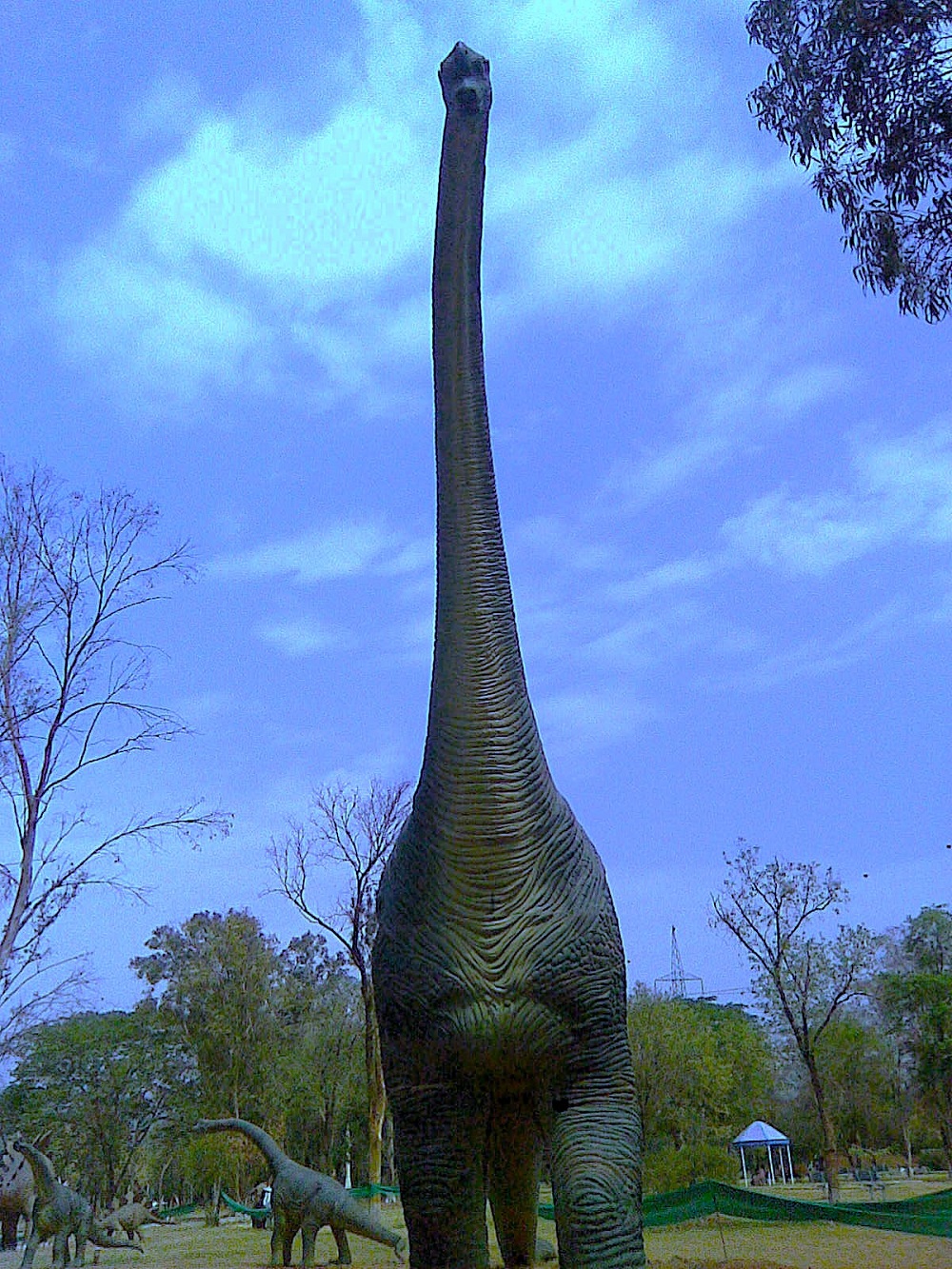
A Tall, Leaf-Eating Dinosaur
Quick Facts
Disclaimer:
The dinosaur information, facts, articles, and educational content on this website are provided for general informational and educational purposes only. While we strive to provide accurate and up-to-date dinosaur information, we cannot guarantee that all content is complete, current, or free from errors. For reliable dinosaur facts and scientific information, readers should consult peer-reviewed research, museums, universities, and other authoritative educational sources.Further Reading
- National Park Service: Morrison Formation
- Chasmosaurs: Exploring the Mesozoic era in science
- National Library of Medicine: Biology of the sauropod dinosaurs: the evolution of gigantism
- Natural History Museum of Utah (University of Utah): Exploring Dinosaurs From A to Z
- National Geographic: Brachiosaurus
- Smithsonian magazine:A Pair of Horses Helped Excavate a Hulking Brachiosaurus Fossil in Utah