
Blood Pressure: What It Is, Why It Matters, and How to Stay Healthy
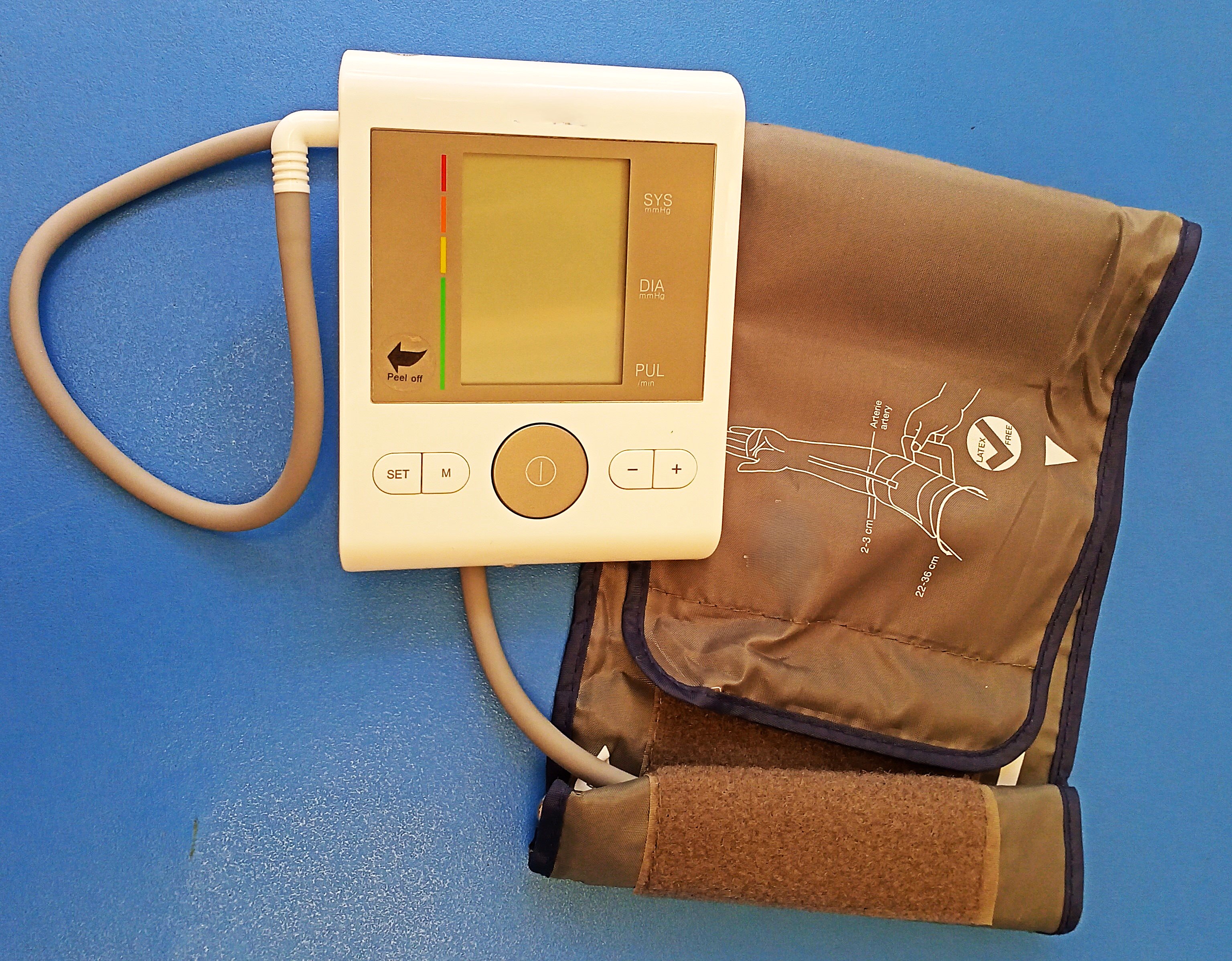
Digital Blood Pressure Monitor
Sept 10, 2026
What Is Blood Pressure?
Blood pressure is the force exerted by circulating blood against the walls of the arteries as the heart pumps blood through the body. It reflects how effectively the heart and blood vessels are delivering oxygen and nutrients to tissues.
Two values measure blood pressure: Systolic — arterial pressure during heart contraction. Diastolic — arterial pressure when the heart rests between beats.
Normal readings are commonly cited as 90/60 to 120/80 mm Hg, but individual targets vary with age, activity, and health status.
Why Blood Pressure Matters
High blood pressure (hypertension) slowly damages arteries and organs, increasing risk for heart attack, stroke, kidney disease, and vision problems. Low blood pressure (hypotension) can cause dizziness, fainting, and falls, especially in older adults or those with underlying conditions.
Maintaining a healthy range reduces strain on the heart and preserves vascular health over time. Regular monitoring helps detect changes early and allows timely lifestyle or medical interventions.
How Blood Pressure Is Measured
Most readings use a sphygmomanometer with a cuff placed around the upper arm. Modern devices may be automated or manual, and readings should be taken after at least 5 minutes of rest, with the patient seated and back supported.
Multiple readings on different days provide a reliable view of BP status, since daily factors like caffeine, stress, and activity can influence numbers.
Home monitoring with a validated cuff can help track trends between clinical visits. Bring log records to your healthcare provider for interpretation.
Blood Pressure Categories
| Category | Systolic (mm Hg) | Diastolic (mm Hg) |
|---|---|---|
| Normal | Below 120 | Below 80 |
| Elevated | 120–129 | Below 80 |
| Hypertension Stage 1 | 130–139 | 80–89 |
| Hypertension Stage 2 | 140 or higher | 90 or higher |
| Hypertensive Crisis | Above 180 | Above 120 |
Note: Ranges are general guidelines. Your target may differ based on age, pregnancy, kidney disease, or cardiovascular risk. Always consult your clinician for personalized targets.
High vs. Low Blood Pressure
Hypertension (High BP)
Often symptomless, hypertension can quietly damage organs over time. Regular screening is essential. Seek medical advice if readings repeatedly exceed 140/90 mm Hg or if symptoms like severe headache, chest pain, or vision changes occur.
Hypotension (Low BP)
Low readings (<90/60 mm Hg) may cause dizziness, fainting, or fatigue. Causes include dehydration, blood loss, medication effects, or endocrine issues. Persistent low BP warrants medical evaluation.
Causes and Maintenance
Common Causes of High BP
- Genetic factors or family history
- Overactive lifestyle: sedentary habits, obesity
- Diet high in salt, sugar, or unhealthy fats
- Chronic stress or insufficient sleep
- Aging and certain medical conditions (kidney disease, sleep apnea)
Common Causes of Low BP
- Dehydration or significant fluid loss
- Blood loss from injury or surgery
- Heart problems or hormonal imbalances
- Medication side effects (diuretics, certain antidepressants)
Maintenance Tips
- Adopt a balanced diet with fruits, vegetables, whole grains, and lean proteins
- Engage in regular physical activity (150 minutes/week moderate intensity)
- Maintain a healthy weight and limit processed foods
- Manage stress with mindfulness, deep breathing, or yoga
- Ensure adequate sleep (7–9 hours) and limit alcohol
- Follow medical advice when medications are prescribed
Helpful Lifestyle Practices
- Reduce daily sodium intake to recommended levels (about 1500–2300 mg/day for most adults)
- Eat potassium-rich foods (bananas, leafy greens, potatoes) unless advised otherwise by a clinician
- Stay hydrated and limit caffeine and alcohol if they affect you
- Quit smoking and avoid secondhand smoke
- Monitor BP regularly and discuss trends with your healthcare provider
When to Seek Medical Advice
Call your clinician or seek urgent care if you experience a hypertensive crisis—systolic above 180 or diastolic above 120—especially with chest pain, severe headache, weakness, or trouble speaking. For persistent abnormal readings (high or low) lasting several weeks, schedule a check-up to review medications, lifestyle, and possible underlying conditions.
Frequently Asked Questions
Is a single high reading a problem?
Not necessarily. Blood pressure fluctuates. Serial readings on different days give a clearer picture of risk and need for action.
Can diet alone lower BP?
Diet plays a major role, especially reducing sodium, increasing potassium (if advised by a clinician), and adopting a heart-healthy pattern like the DASH diet. Combined with exercise, it can significantly reduce BP.
Do I need to measure BP at home?
Home BP monitoring helps identify trends and improves management, particularly if clinic readings are not consistent with how you feel.
Disclaimer
The information provided here is for educational and informational purposes only. It is not a substitute for professional medical advice, diagnosis, or treatment. If you have any text-decoration: none; concerns or questions about your blood pressure, please consult a qualified healthcare provider.For Further Reading
- CDC Centers for Disease Control and Prevention: High Blood Pressure
- NIH - News in health: Blood Pressure Matters Keep Hypertension in Check
- Harvard Health: Tips to measure your blood pressure correctly
- Heart Foundation:Under pressure – what is blood pressure and why does it matter?