
Lahore Fort: A Simple Look at Its History and Architecture
Aug 18, 2026
The Lahore Fort, also called Shahi Qila, is one of the most famous historic places in South Asia. It stands inside the walled city of Lahore, Pakistan. The fort is huge, covering more than 20 hectares, and it includes gardens, courtyards, gates, and palace buildings. Over centuries, different rulers shaped it, so the Lahore Fort shows power, art, and planning in one place.
Scroll down to learn its story step by step: early beginnings, Mughal design, Sikh changes, British use, and modern tourism.
Origins and Early History
The exact beginning of the Lahore Fort is not fully known in one clear way. Still, local traditions and myths connect the site with early rulers and early settlements. One common story says the city of Lahore and an early mud fort were created by Prince Lava, the son of Rama.
Beyond stories, many historians and archaeologists believe earlier defenses may have existed around the same area. Some evidence suggests earthen and mud-brick defenses could date back to around the 2nd century. Like many major forts, this place did not remain the same forever.
Over the years, different groups attacked and rebuilt parts of the fort. After many phases, the complex entered its strongest and most permanent development during the Mughal era.
The Mughal Golden Era: Akbar and Jahangir
A key turning point happened in the 16th century. Mughal Emperor Akbar the Great helped shape the fort into a stronger structure. Lahore was important to Akbar because it supported control and connections across his growing empire.
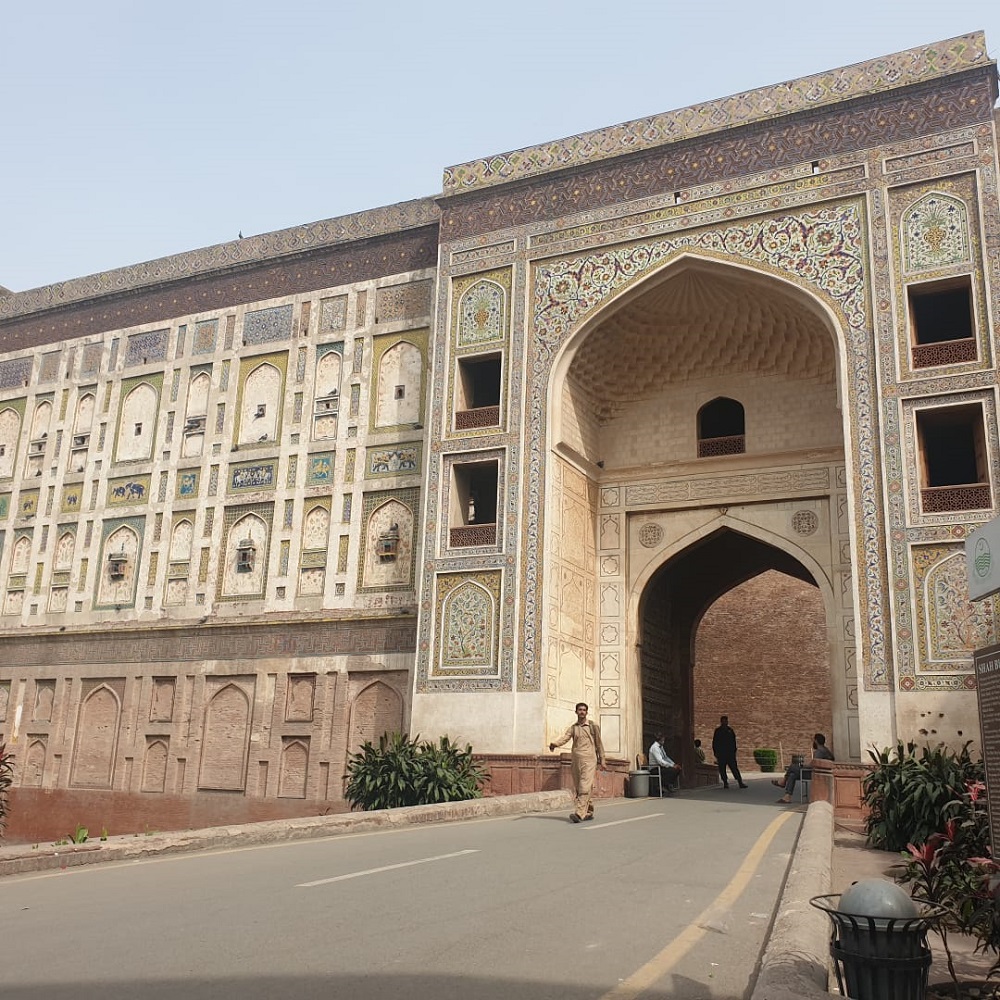
Around 1566, Akbar ordered the older mud fort to be removed and replaced it with a much larger brick fortress. During this time, the fort began to show a clear Mughal architectural identity, where Persian ideas mixed with local design.
After Akbar, his son Jahangir continued to expand and improve the fort. Jahangir focused on royal comfort and beauty. He supported green gardens and water features such as fountains, and he helped strengthen the planned layout of court life.
Some accounts also mention the Maktab Khana, called the Clerk’s Quarters. This shows that the fort was not only a military place, but also an important center for work and administration.
Shah Jahan and Aurangzeb: Major Architectural Features
The Lahore Fort became especially impressive during the reign of Emperor Shah Jahan in the mid-1600s. Shah Jahan is well known for detailed Mughal architecture, and many parts of the fort were improved using luxurious materials, especially white marble.
One of the most famous features from this time is the Sheesh Mahal, also known as the Palace of Mirrors. Inside, many small mirrors reflect light, creating a bright and magical atmosphere.
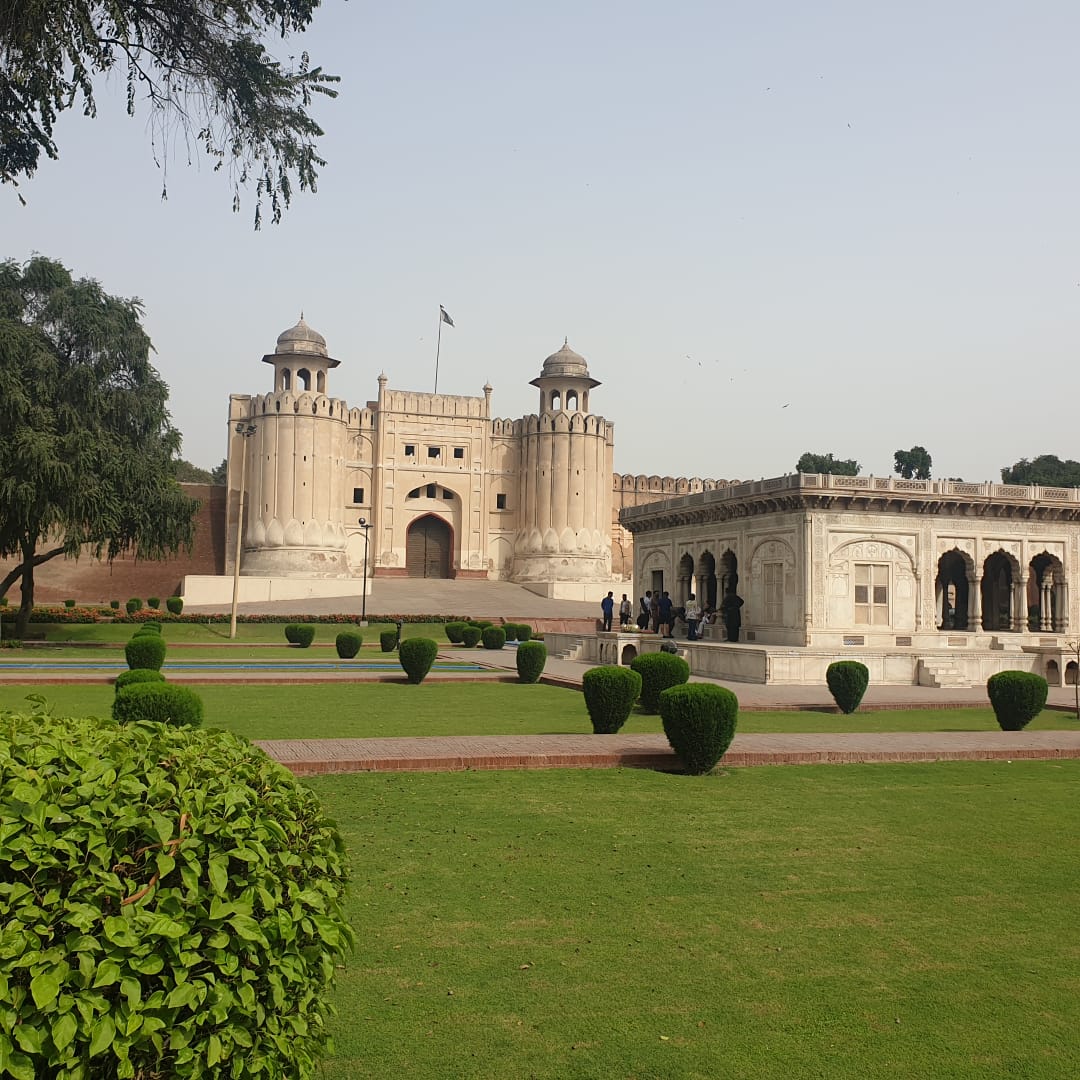
Shah Jahan also built the Naulakha Pavilion, a small marble summer house with elegant shape and detailed stone decoration, often described as pietra dura work (beautiful stone inlay designs).
Later, Emperor Aurangzeb added the grand Alamgiri Gate, which faces the Badshahi Mosque. This gate is still one of the strongest symbols of the fort today.
Sikh Era: New Use and Cultural Changes
When Mughal power declined, control of the fort shifted through different rulers. In the early 1800s, the Sikh Empire gained control. Under Maharaja Ranjit Singh, the Lahore Fort became an important center for administration.
Sikh rulers respected the historic site but also adapted spaces for their needs. They added and adjusted parts of the fort’s daily use. For example, they added the Sehdari Pavilion on top of the Sheesh Mahal.
They also built a large residential structure called Haveli Mai Jindan, named after Ranjit Singh’s youngest queen. Today, parts of this area are often used in museum-style displays that help visitors understand the fort’s later history.
Artists also added decorative touches, including traditional paintings and Sikh-style artistic details inside the fort. This is why the Lahore Fort feels like a living timeline of different cultures.
British Colonial Period and Preservation Efforts
In 1849, the British East India Company took control of the Punjab region. During this period, the Lahore Fort was used for practical military purposes. Many royal spaces became military barracks, and some entrances and passageways were blocked or changed.
Because of military use, some historic details were damaged over time. However, in the late 1800s and early 1900s, people started to focus more on protecting the site’s cultural value.
Restoration and preservation efforts included clearing parts of the fort, cleaning marble surfaces, repairing weak foundations, and carefully recording major structural features. These actions helped protect the Lahore Fort for future generations.
After Independence: UNESCO Recognition and Modern Tourism
After the partition in 1947, Pakistan became independent. The Lahore Fort was declared a protected monument. In 1981, it was officially recognized as a UNESCO World Heritage Site because of its outstanding historical and cultural importance.
Today, the Lahore Fort remains one of Pakistan’s top tourist destinations. Thousands of visitors come each year to see its gates, courts, and palace spaces. Walking through the fort helps visitors understand how Mughal design, Sikh art, and British-era changes all exist in one place.
Disclaimer
This article is for general educational purposes. History can be complex, and details may differ depending on sources. Visitors should check official heritage information and use trusted, certified local guides before visiting the site.